Understanding Forest Cabin Stays in United States Forest Landscapes
United States forest landscapes encompass more than one hundred fifty national forests administered by the U.S. Forest Service, alongside state forests, tribal woodlands, Bureau of Land Management parcels, and forested units within the National Park System. These lands span temperate rainforests of the Pacific Northwest, longleaf pine savannas of the Southeast, aspen groves of the Rocky Mountains, maple-beech hardwoods of the Northeast, and saguaro-studded sky islands of the Southwest. Educational travelers researching forest cabin rentals and woodland lodging benefit from treating forests as dynamic ecosystems managed for multiple purposes rather than as uniform wilderness backdrops.
Forest travel differs from urban or coastal tourism in ways that affect planning depth. Road networks include paved scenic byways and single-lane dirt tracks closed seasonally by snow gates. Trail maintenance priorities shift after wildfire, blowdown, and budget cycles. Wildlife presence varies by elevation band, season, and recent habitat disturbance. Cell coverage gaps span entire mountain ranges. Educational preparation emphasizes verification through official agency websites, Motor Vehicle Use Maps, trail condition bulletins, and ranger station conversations rather than assumptions drawn from outdated guidebooks or social media posts.
This guide presents general educational information about forest travel across the United States. It does not constitute personalized travel advice, guarantees of trail conditions, wildlife sightings, weather, facility availability, or safety outcomes. Always verify current conditions through official sources such as the U.S. Forest Service, National Park Service, state park agencies, and local ranger districts before departing.
Types of Forest Cabin Accommodations
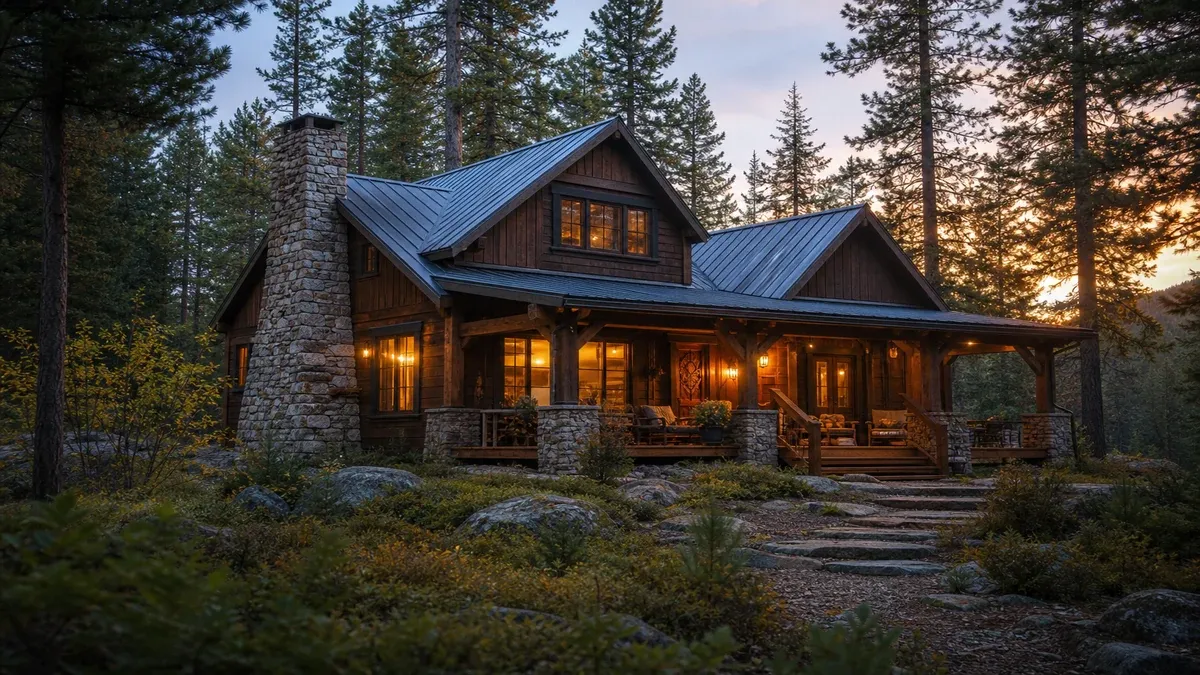
Forest cabin stays range from rustic U.S. Forest Service rental lookouts and historic guard stations to private vacation rentals on wooded parcels adjacent to public land. Each category carries distinct reservation platforms, amenity levels, access road requirements, and rules about fires, pets, and generator use.
Commercial platforms list cabins marketed as forest retreats with varying accuracy regarding public land boundaries, wildlife presence, and winter road maintenance responsibility. Educational renters read listing details critically and confirm access with hosts or agencies rather than assuming all-weather drivability.
National forest recreation residences and reserved cabins sometimes appear in lottery or advance booking systems separate from recreation.gov campground reservations. Historic structures may lack modern insulation, requiring seasonal suitability research before booking winter dates.
Public Agency Cabins Versus Private Rentals
Agency-managed cabins often provide basic bunks, wood stoves, and outhouses without electricity or running water. Renters pack bedding, cooking equipment, lighting, and water treatment supplies. Private rentals may offer full kitchens and hot tubs yet sit on roads maintained only by homeowners or county plow contracts with variable reliability.
Tribal and state forest cabin programs exist in some regions with independent booking rules and cultural guidelines worth reading before arrival.
- Download cabin rental handbooks from issuing agencies listing required gear and checkout tasks.
- Confirm whether firewood provided or must be purchased locally to prevent illegal gathering on forest land.
- Verify pet policies; many public cabins prohibit animals to reduce wildlife conflict.
- Ask hosts about nearest medical and grocery services before remote shoulder-season bookings.
Access Roads, Vehicles, and Seasonal Reachability
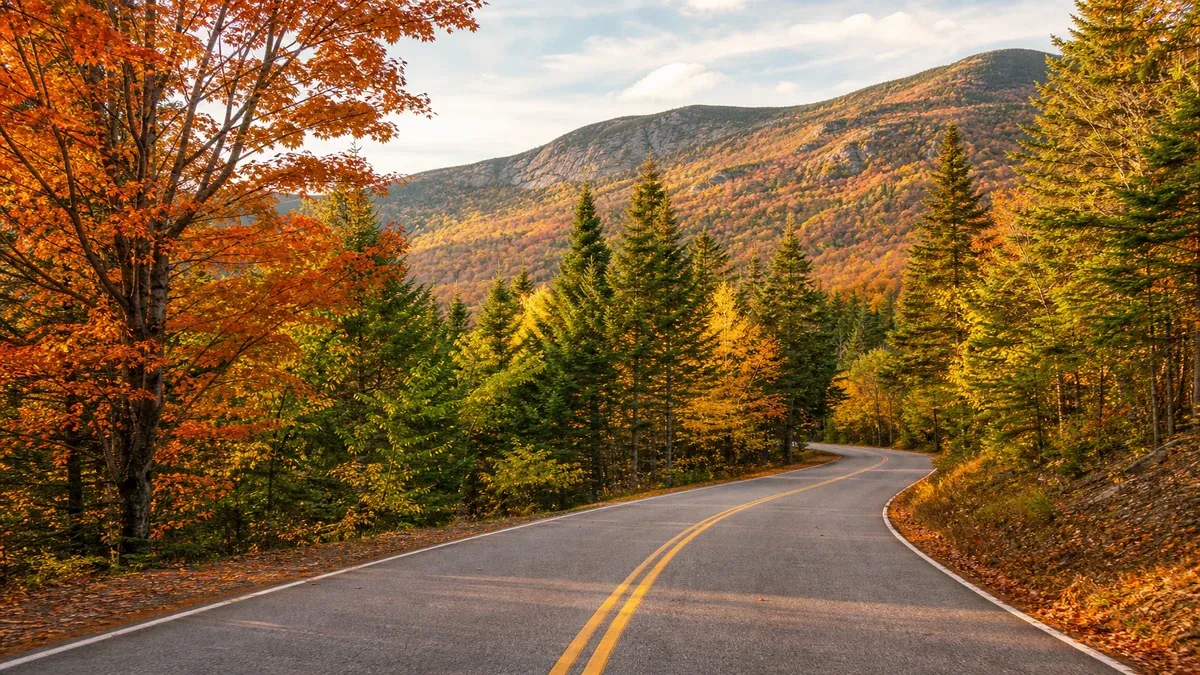
Forest cabin access frequently follows gravel forest roads with potholes, steep grades, and seasonal gates closing miles short of destinations during mud or snow seasons. High-clearance vehicles may be recommended or required without being stated prominently on promotional photos showing cabins in summer greenery.
Winter cabin stays demand research on plowing frequency, tire chain laws, and backup lodging if storms block return routes. All-wheel drive helps but does not replace appropriate tires on icy forest grades shaded from sun.
Navigation and Arrival Planning
Cell coverage often fails near remote cabins; download offline maps and save host directions including gate codes before losing signal. Some rentals require meeting hosts at junctions miles from cabins when roads confuse first-time visitors.
Arrive before dark on initial visits when road signage sparse and wildlife crossing increases at twilight on forest routes.
- Photograph odometer and key junctions when learning new forest road access routes.
- Carry tire chains where legally required even if forecast appears mild.
- Pack headlamps for unloading gear when cabin lighting limited upon arrival.
- Share access instructions with travel companions to avoid single-device dependency.
Amenities, Self-Reliance, and Packing
Cabins without running water require hauling and treating surface water or melting snow in winter. Propane refrigerators, solar lighting, and composting toilets appear in off-grid rentals with learning curves for urban travelers unfamiliar with conservation-minded systems.
Kitchen inventories vary; assume basics missing until confirmed. Pack spices, oil, dish soap, trash bags, and headlamps even when listings suggest furnished status. Paper maps supplement GPS when electricity absent or unreliable.
Heating, Firewood, and Winter Comfort
Wood stoves require safe operation skills including ash disposal, damper adjustment, and carbon monoxide awareness when cabins lack modern detectors. Ask hosts or agencies about approved ash dump locations away from forest duff.
Supplemental propane heaters may appear in some rentals with explicit ventilation instructions that must be followed to prevent indoor air quality hazards.
- Bring warm sleep systems rated below expected overnight lows; forest cabins draft differently than modern homes.
- Pack fire starters permitted where wood heat primary; never use gasoline or inappropriate accelerants indoors.
- Inspect chimney flues visually when present and report blockages to hosts before lighting stoves.
- Dress in layers indoors when wood heat cycles between overheating and cooling overnight.
Wildlife, Food Storage, and Cabin Safety
Forest cabins sit within wildlife home ranges; bears, rodents, and insects may investigate poorly stored food or unsecured trash. Use provided bear boxes or follow host guidance about locking supplies indoors away from windows. Clean grills and outdoor eating areas before nightfall in active wildlife zones.
Emergency communication may require satellite messengers or driving to cell service. Identify nearest neighbors or host contact protocols for medical and mechanical emergencies before settling into multi-night stays.
Structural and Environmental Hazards
Older cabins may have low headroom, steep loft ladders, and uneven floors requiring caution with children and mobility limitations. Wasps and mice sometimes occupy seasonal structures opened after months of closure; inspect cautiously and notify hosts of infestations requiring professional response.
Wildfire smoke and evacuation orders affect forest regions; monitor official alerts during dry seasons and know exit routes independent of GPS when roads close.
- Locate fire extinguishers and first aid kits upon arrival before unpacking recreation gear.
- Test smoke and carbon monoxide detectors when present; report missing devices to hosts.
- Store food in hard-sided containers when rodents historically problematic at specific rentals.
- Know address coordinates for emergency services dispatch in areas lacking street numbers.
Gateway Towns and Multi-Day Forest Itineraries
Cabins serve as bases for day hikes, scenic drives, fishing, and wildlife observation when located within reasonable distance of trailheads. Two-hour daily driving on rough roads to reach activities reduces relaxation benefits; map distances realistically using forest road average speeds below pavement norms.
Gateway towns supply groceries, propane, fishing licenses, and dining when cabin kitchens need restocking. Sunday and shoulder-season hour reductions affect rural forest communities more than metropolitan travelers expect.
Balancing Solitude and Services
Remote cabins trade convenience for quiet; schedule resupply before arrival when storms forecast. Conversely, cabins near popular recreation corridors may experience noise from nearby OHV routes or logging operations visible on working forest landscapes.
Read reviews mentioning road noise, generator neighbors on adjacent private parcels, and seasonal insect intensity when personal sensitivity varies.
- Identify laundry and shower options in gateway towns for multi-week cabin stays.
- Support local businesses supplying firewood and produce rather than over-harvesting forest deadfall illegally.
- Plan one flex day without driving to recover from long access road travel.
- Archive host emergency numbers offline before losing cell service at cabin.
Accessibility, Inclusivity, and Rental Expectations
Steps, narrow doorways, and hillside approaches challenge mobility at many rustic cabins marketed visually without detailed accessibility data. Ask hosts specific questions about bathroom grab bars, bedroom location on ground floor, and parking proximity to entrances.
Manage expectations about rustic charm versus hazards; educational renters treat cabin stays as learning experiences in self-reliance without assuming hotel service standards or guaranteed wildlife viewing from decks.
Checkout Responsibilities and Stewardship
Many agency cabins require cleaning, firewood restocking, and waste packing consistent with leave-no-trace ethics extending to rental structures. Failure to follow checkout lists may affect future booking privileges or deposit returns.
Report maintenance needs such as leaking roofs or broken steps so subsequent renters and structures remain safe.
- Photograph cabin condition at check-in to document pre-existing damage when deposits apply.
- Follow water use restrictions during drought when hosts supply limited well capacity.
- Leave cabins cleaner than found to support small-scale host operations.
- Review cancellation policies considering forest road closure risks during shoulder seasons.